Why operations strategy matters
A good operations strategy makes your business run smoothly and gives you a competitive advantage.
Improving your strategy helps you become more efficient and do well in the long term.
Match capacity to demand
A big part of good operations is matching capacity to demand.
Capacity is what you can do in a certain period, like the number of customers you can serve in an hour. Getting your capacity right means you have the right level of staff, resources and stock for the demand, so you can serve customers promptly and deliver quality you’re proud of.
Ideally, your capacity will change to match the demand you expect for the time of day, week, month or year. To adjust your capacity, you need to understand what drives your customers’ demand and its ups and downs.
When you get your capacity right, you use resources efficiently. You produce your products and services cost effectively and with minimal waste.
Being efficient means you’re productive, so you:
- need fewer resources
- need less time
- reduce costs
- meet demand faster
- free up time, energy and money for other things.
Know your inventory
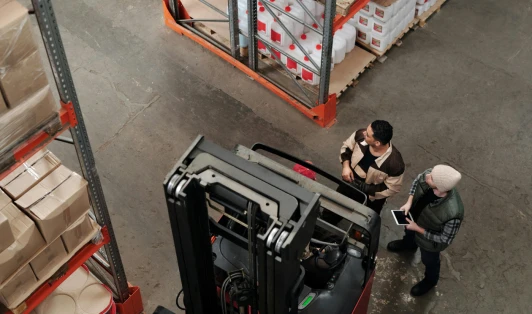
Part of a good operations strategy is working out how much inventory to hold.
Inventory (or stock) is any goods or materials you hold to create value for your customers:
- anything from raw materials to finished products
- things you make
- things you buy.
Holding raw materials means you can quickly increase production to meet demand, and you’re less affected by supply delays.
Holding finished products means you can make your products when times are quiet and sell them promptly when demand picks up.
But because you have to buy materials in advance, you tie up working capital. You need to find and pay for storage, keep records and do stocktakes.
Knowing how much inventory to hold and how much it will cost is important. Ordering wisely is part of being efficient.
Make the most of your networks
Your network is about cooperating with suppliers, partners and customers.
A network of good connections can contribute to business success.
You could build a strong network in different ways, but here are three to consider:
- Outsourcing — buying products or services from someone instead of making them yourself. For example, you could get someone else to do your marketing so you can focus on offering your specialist services.
- Vertical integration — owning or creating something in your production process. It’s the opposite of outsourcing. For example, a café might grow certain herbs it uses because it can grow them better, grow a rare variety, or control supply.
- Location — making and selling your products or services in the best place or places. Your location affects your network because it’s about how easy it is for customers and suppliers to get to you, and even how customers think of you.
Focusing on quality improves your brand and reputation
Quality means meeting your customers’ expectations — whether it’s fresh vegetables, a safe toy, or reliable advice. It’s also shaped by legal requirements and industry standards.
True quality goes beyond perfection; it’s about understanding what your customers value and delivering that well. Sometimes it means excellence in materials or workmanship, but it can also mean balancing cost, experience, and usefulness.
Good quality builds trust, repeat business, and a strong reputation. Poor quality can cost you time, money, and customers. That’s why it’s essential to define, measure, deliver, and communicate quality clearly.
Choose the right aspects of quality to focus on — and don’t forget to use quality as a key selling point. It’s what sets you apart from competitors and keeps customers coming back.