
Health considerations of older workers
Some common conditions that older workers may experience include:
- deteriorating vision or hearing
- diabetes
- menopause
- mental health conditions such as stress, anxiety and depression
- musculoskeletal (MSK) injury and damage of the joints in the limbs or back
- mild cognitive impairment (MCI)
- occupational injuries.
Workers should feel comfortable to talk openly about health conditions that are affecting them.
Ask questions or do your own research to find out more about the health conditions affecting your workers and what support they need at work.
Benefits of a healthy workplace
Taking a proactive approach to reduce the risk of illness and injury for older workers will:
- increase workplace productivity
- improve retention
- reduce time off and staff absence
- lower staff turnover
- improve workplace relationships.
Health, safety and wellbeing benefits all staff, not only older workers. It can also help with your network of suppliers and customers who are likely to be diverse.
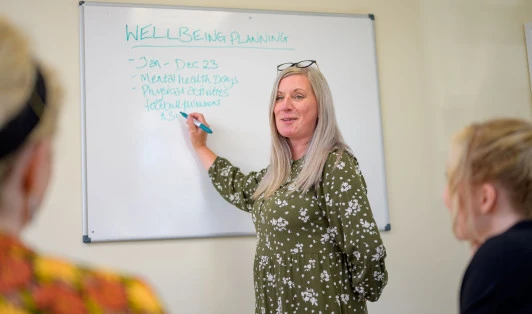
Providing safe working conditions
Safe working conditions may look different for a workplace with older workers. Providing these conditions ensures your older workers can contribute to your business goals.
- Make sure your workplace is accessible, hazard free and ergonomically friendly, with options to stand or sit and appropriate equipment to reduce injury and illness.
- Offer fans and feminine hygiene products to make your workplace more menopause-friendly.
- Manage stress levels and workload by reviewing roles, and if possible, using technology and automation, job sharing and varying tasks to help avoid workplace injuries – for example, fatigue.
- Manage reduced vision by using larger text in documents, encouraging employees to have regular eye tests and, if necessary, wear glasses.
- Manage reduced hearing by encouraging regular hearing tests and the use of hearing aids if necessary.
- Plan for staff with hearing difficulties in the case of an emergency or evacuation.
Be open to flexible working arrangements, like working from home, to support older workers with health or disability conditions.
Assess and plan
Treat health, safety and wellbeing as part of your day-to-day business by managing it proportionately to the level of risk at your work.
Raise awareness at your workplace about physical and mental health challenges. This can help to remove negative attitudes about the topic and increase understanding. This includes topics that may have been avoided, such as menopause, which can affect people as they age.
Promote health and wellbeing in the workplace
Encourage frequent screenings or health checks to monitor the health of workers, allow workers time off to attend appointments for treatments and promote active living, healthy eating, stress management and work-life balance.
Learn more about