
Offering training and learning for older workers
Training is important at all stages of business, and older workers may have unique needs and strengths to consider.
Onboarding
Older workers often bring valuable soft skills and life experience to a role. They may benefit from extra support when learning new systems or adapting to different work culture, especially if the role includes unfamiliar technology or processes.
New business practices
As businesses evolve, all staff need to adapt. For older workers, learning new digital tools or systems might require more time or tailored training. Providing patient, practical support helps them stay confident and effective.
Growth and development
Career growth doesn’t stop with age. Many older workers still have professional goals. Supporting their training aspirations shows respect for their experience and encourages long-term engagement and loyalty.
Older workers can still learn
Some people think older workers can’t learn new skills, but that’s not true.
Ageing can change the ways we think and process information and bring knowledge and insights gained from a lifetime of experience.
Older workers can:
- feel overlooked for training and promotional opportunities – this can be because of assumptions made about their retirement plans and career aspirations
- hold negative thoughts and stereotypes about themselves that hold them back.
As an employer, make sure that older workers have the same access to learning and progression as other staff.
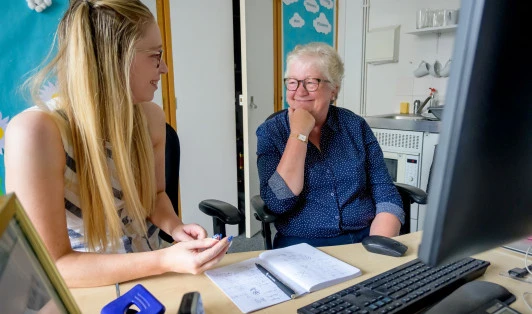
Having a lifelong learning approach
Factors such as technology, climate change and globalisation will continue to transform the way we do business. All workers will need to adapt by upgrading their skills and knowledge.
Training and learning will help your workers:
- remain productive in their jobs
- feel satisfied at work
- stay in their roles for longer.
Maximising training outcomes for older workers
Older workers are capable and willing to take up training and learning opportunities. They may benefit from an individual tailored approach.
Examples of a tailored approach are:
- a different pace for courses
- more one-to-one attention
- small group work and discussion
- courses spread over longer periods
- case studies attuned to personal experience
- mentoring and buddy support after training is completed.
Learn more about