
Older workers provide benefits for you
Recruiting older workers has many benefits, including:
- loyalty
- skills and life experience
- leadership
- mentoring potential
- providing insight into older customers or clients who make up a growing market share.
It’s a good idea to develop policies and practices that support the recruitment of older workers.
Why older people may be looking for work
Older applicants may be looking for employment because they may want a career change, a promotion, reduced hours of paid work or a new job after they’ve lost their previous job.
Advertising to older workers
If you’re looking to hire and want to reach a variety of applicants, including older workers, here are some things to consider when advertising.
- Focus on the true requirements of the role when preparing or reviewing the job description. Try to avoid personal characteristics, like age.
- Publicise widely, including national and local publications and word of mouth, to reach a diverse range of ages.
- Use age-inclusive language and avoid words that target only younger audiences.
- Invite existing older workers to review and provide feedback on the recruitment processes.
- Openly say that applicants of all ages or diverse backgrounds are encouraged to apply and will be considered.
Selecting applicants
Here are some tips to help you shortlist your candidates.
- Adopt practices that support unbiased decisions – for example, using a screening software that removes age identifiers or excluding date of birth as an application requirement.
- Don’t make assumptions about older workers based on stereotypes. This could be on topics such as retirement plans, skill sets and training needs.
- Consider internal applicants who may be holding themselves back. Older workers may have self-directed ageism and lack the self-confidence needed to apply.
Designing a job offer for older workers
The way you design your job offer can help you:
- attract and retain staff
- build a healthy and happy workplace
- up your business’ capability.
Consider these things when creating a job offer.
- Offer flexible working arrangements – for example part-time work, job sharing, working from home and flexible working hours. This practice isn’t only good for older workers, it’s good for everyone.
- Adapt physical roles to ensure they are ergonomically friendly (comfortable) or automated. This means using technology to make it less physically demanding on the worker. This can attract older workers, keep them in roles for longer and increase their overall productivity.
- Older workers may have higher salary expectations and more practiced negotiation skills. Recognise that they bring unique and often hidden skills and knowledge that will add value to your business.
- Welcome new employees into an age-inclusive workplace. Create a culture that acknowledges and accepts the contributions of people of all ages.
Retaining older workers
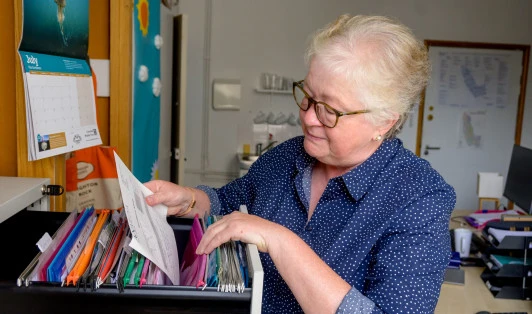
Older workers bring valuable experience, reliability, and strong interpersonal skills to the workplace. Retaining them helps preserve institutional knowledge and strengthens team dynamics.
Here are some tips to help you support older workers:
- Provide career development and planning for all staff, no matter how long they have been working for you.
- Offer regular and positive conversations to find out what is important for your older workers. This could be about the contributions they want to make and what they need to be the best they can be at work – for example flexibility, training or job redesign.
- Recognise their contributions and create pathways for mentoring or leadership roles.
- Remember to review regularly, as the needs of your older workers may evolve across their working life.
- Consider offering flexible working arrangements – for example part-time work, job sharing, working from home and flexible working hours. Offer adjustments needed for health conditions or disability.
- Support employees as they transition away from paid work. This could involve reducing or changing their hours of work, roles or tasks.
Creating an inclusive and respectful environment ensures older employees feel valued and motivated to stay.
Training and learning
Offer ongoing training and upskilling to all employees, no matter what age or life stage they are, to maintain their employability and show that their contribution to the workplace is valued.
Ensure training suits everyone’s preferred learning styles. Consider offering training on digital tools and technology to older workers. They can readily learn them with the right support and training.
Learn more about