Getting started
- Step01
Create a business model that works
Your business model is the way your business is going to operate and make money, however much you want to make. It helps you identify how much money you’ll need to get started and what your income needs to be to cover costs and make a profit.
You should:
- choose a business structure – for example, you may run your business as a sole trader, company or through a partnership
- identify your operating costs – for example transport, staff, electricity, lease
estimate your likely customers – for example, foot traffic and how competitors in your area perform - know your limitations – for example, if your café can seat 20 people, it limits how many people you can serve in a day
- keep metrics specific to your industry – for example, the cost of a café will be different to an IT contractor.
It’s easier to model operating costs first, then think about how much money you’ll need to cover your overall costs.
- Step02
Set a budget
Your budget is where you set your goals and a plan for how you’re going to get there, once you know how much money you need to cover your costs and make a profit.
You should:
- set your targets and profit goals for the year
- plan for your costs and decide when payments need to be made
- review your budget based on how you’re tracking monthly.
- Step03
Keep track of your finances
Accurate records help you see what’s going on in your business and understand your numbers.
You should:
- keep accurate and up-to-date records
- stay on top of your cash flow (the money coming in and going out)
- use a separate bank account for all your work income and expenses to track your spending
- understand the trends – for example, see if you have enough to keep you going through quiet periods or gaps between contracts
- set aside money for periodic payments – for example, putting aside a portion of your income to cover taxes and levies
- ask to pay bills in instalments – for example, pay for your accountant throughout the year instead of in one big invoice.
- Step04
Keep on top of debtors
You need to be paid for the work you do. Until payment is made, you’re financing the cost of this out of your own pocket.
You should:
- be clear about the estimated cost before starting the job
- invoice for the work you do as soon as possible
- chase debtors regularly.
- Step05
Get an advisor if you need help
Finances are an important part of running a business, and sometimes this means you’ll need help from an accountant or bookkeeper.
You should:
- get advice before making a financial decision you’re unsure of – for example, expanding into a new area or buying a high-value asset
- ask for help if you feel like you’re not on top of things or at key times – for example, when doing your first tax return or when operating at a loss
- weigh up the cost – paying an expert may end up being cheaper than trying to do it yourself.
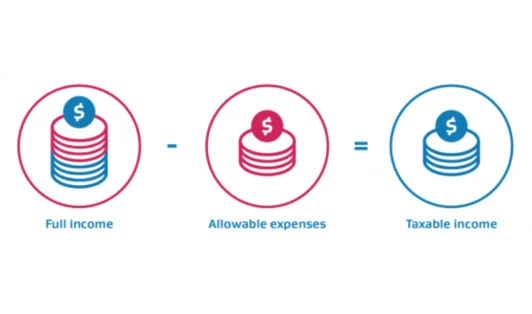
Taxable income explained
Be smart, get support

For Vicky Ha of House of Dumplings, managing her finances is about having money in the bank before buying things.
“I started with two pasta machines. I mixed the dough by hand. That is just stupid, but I didn’t want to spend $1,000 on a mixer. I did it the hard way and until I had the money in the bank I wouldn’t buy it,” she says.
“What you want and what you need is completely different. That’s business 101. Never get what you can’t afford — that’s the bottom line for me.”
She also understands that part of running a successful business is knowing what you’re good at and where you need help.
“I worked on what I wasn’t good at. I hate numbers and details. I had to find the right people to do that stuff for me. If that means paying people, that’s necessary because you need to concentrate on what you’re good at.”
Learn more about